
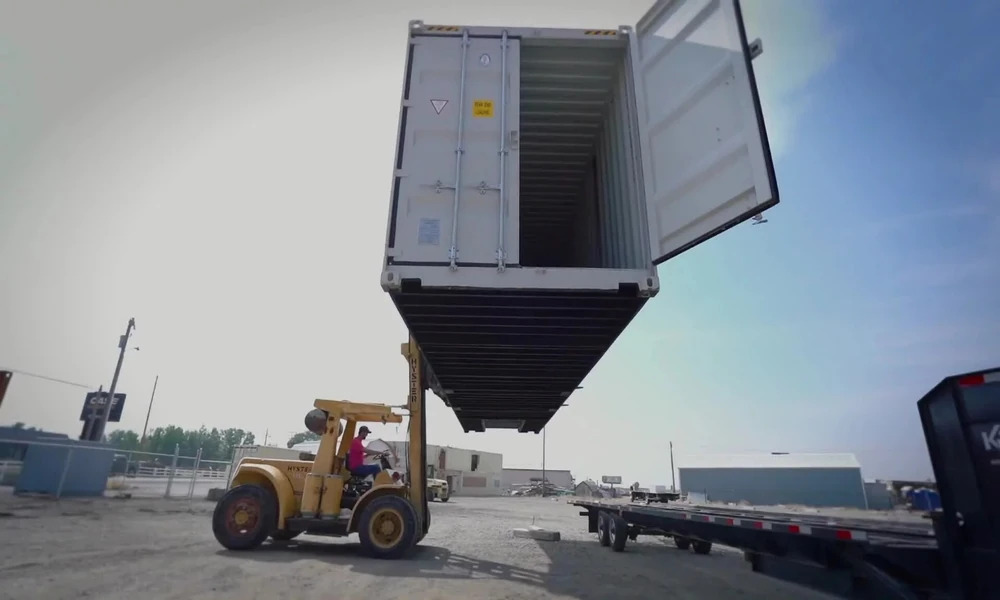
You already know containers solve storage fast. What you may want is a clear plan that fits Montana conditions and your property. I work with landowners, builders, and producers across the state who need clean systems, not clutter. The ideas below come from what holds up in our wind, snow, and temperature swings, and what saves time day to day. Local suppliers like https://www.mocanmt.com/ make it simple to source the right box and place it where it serves you best.
I’ll show you how to pick size, plan placement, outfit the inside, protect contents, and secure the unit with minimal fuss. I’ll also share why I point Montanans to MoCan Containers for supply and delivery. Follow this playbook and you get safe, dry, organized storage that feels built for your life, not just dropped in your yard.
Start With the Right Container Size
Choose the unit for the job, not the other way around. Here is how I break it down for homes, farms, and ranches.
- 20-foot containers
- Best for tight driveways, town lots, and smaller work sites
- Fits lawn gear, tools, seasonal goods, or a tidy workshop
- Interior space: about 19’4″ long, 7’10” high, 7’8″ wide
- Rental option makes sense for remodels or moves
- 40-foot containers
- Best for ranch yards, barns, and commercial sites with room to spare
- Holds equipment, lumber, large inventory, palletized feed, or two zones with a divider
- Interior space: about 39’5″ long, 8’10” high, 7’8″ wide
- Buy if you plan to keep it in service for years
If you plan to add shelves on both long walls, a 40-foot unit gives you a center aisle that still breathes. If access is tight or ground is uneven, a 20-foot unit avoids headaches.
Smart Placement and Access
Placement is the difference between daily function and daily frustration. Set it up once with care.
- Delivery clearance
- About 70 feet of clear space for a 20-foot unit
- About 100 feet for a 40-foot unit
- Trim branches, move trailers, and flag any culverts
- Foundation and slope
- Use four to six concrete blocks or railroad ties at corners and midpoints
- Keep the container level front to back and side to side
- Aim for gentle fall away from doors to shed water
- Orientation
- Face doors away from prevailing wind if your site allows
- If snow drifts, open the door side to the south or east for easier winter access
- Traffic flow
- Leave a clean turning lane for pickups and equipment
- Set the doors where you want to load, not where the delivery truck stops
Weather Protection That Works Here
Containers from a solid supplier come wind and watertight. Add a few Montana upgrades.
- Door seals and lubrication to keep winter freeze from sticking
- Two low-profile vents near each end to manage condensation
- Roof check and paint touch-up to prevent rust spread
- A slight roof pitch using a simple cap or shed roof if heavy drift is common
- Rubber floor mats under equipment to break thermal shock and protect the plywood
For moisture-prone loads like seed or paper files, add desiccant packs and a small fan timer to move air.
Interior Fit-Outs That Pay Off
Outfitting the inside saves time on every job.
- Shelving
- Use steel uprights lagged into the floor or welded to plates
- Keep lower shelves for heavy bins, upper for light gear
- Tie-down points
- Install E-track or D-rings every 4 feet along walls
- Secure fuel cans, ladders, and compressors
- Zones and labeling
- Divide by task: fencing, irrigation, animal care, shop
- Label shelf fronts and bin tops you can see without bending
- Work area
- A shallow bench near the doors for quick fixes
- Pegboard or slatwall above it for tools you grab often
- Power and light
- Battery or solar LED strips with a motion switch for safe night access
- If you run tools, plan a professional power feed and safe ventilation
Farm and Ranch Setups I Recommend
Dial in the layout for ag work.
- Seed and feed
- Pallet racks on one wall with a pallet jack path
- Rodent-proof bins and a sweep edge along walls
- Chemicals
- A sealed cabinet with secondary containment
- Clear labels and a vent near that zone
- Parts and blades
- Oil-resistant trays, blade sleeves, and magnet bars for hand tools
- Seasonal gear
- Hang panels and gates using wall mounts to keep floor space open
Home and Property Uses That Stay Tidy
Keep home projects under control with simple plans.
- Moving and remodel staging with a center aisle and color-coded bins
- Sports, hunting, and camping gear on one shelf run with labeled totes
- Lawn and snow gear split by season with a swap plan each fall and spring
- Firewood near the doors with a floor grate to keep airflow under the stack
Security Without Hassle
Most theft is fast. Make access slow and noisy.
- Weld-on lock box with a high-security puck lock
- Motion lights at the doors
- Simple door alarm or camera if theft risk is high
- Keep valuable items out of sight lines from the doors
Renting vs Buying: How I Decide
Rent if you need storage for a remodel, a build, or harvest season. Buy if the container will serve year-round or return to use each year.
MoCan Containers makes these choices straightforward. They offer new one-trip units and used units, both inspected for wind and watertight performance. You can pick a 20-foot for compact sites or a 40-foot for high volume. Rentals start at rates many property owners find practical, and purchase pricing reflects current inventory. They handle delivery with tilt-bed trailers across Billings, Bozeman, and the surrounding regions, and they can place containers in tight spots with a careful plan. I also like that you can inspect and select the exact unit at their yard before delivery. That sets clear expectations on condition and appearance.
If you want to convert a unit into a workshop or office, they also support modifications that match your plan.
Why I Point Montanans to MoCan Containers
They are a local, family-operated supplier with a large inventory and steady service. Their containers are secure, weather resistant, and suitable for our climate. They rent and sell both 20-foot and 40-foot units, deliver with care, and stand behind what they provide. For homes, jobsites, or ag yards, that mix of inventory, pricing options, and delivery skill reduces risk and saves time.
Quick Planning Checklist
- Confirm space for delivery and turning
- Choose 20-foot or 40-foot based on site and load
- Plan foundation blocks and door orientation
- Add vents, door seals, and roof protection where needed
- Install shelves, tie-downs, and a bench
- Label zones and set a simple inventory system
- Add a lock box, lighting, and basic alarms
- Decide to rent or buy based on duration and frequency of use
Set up your container with these steps and you gain order fast. One solid plan now keeps your work moving, through the wind, snow, and long summer days.