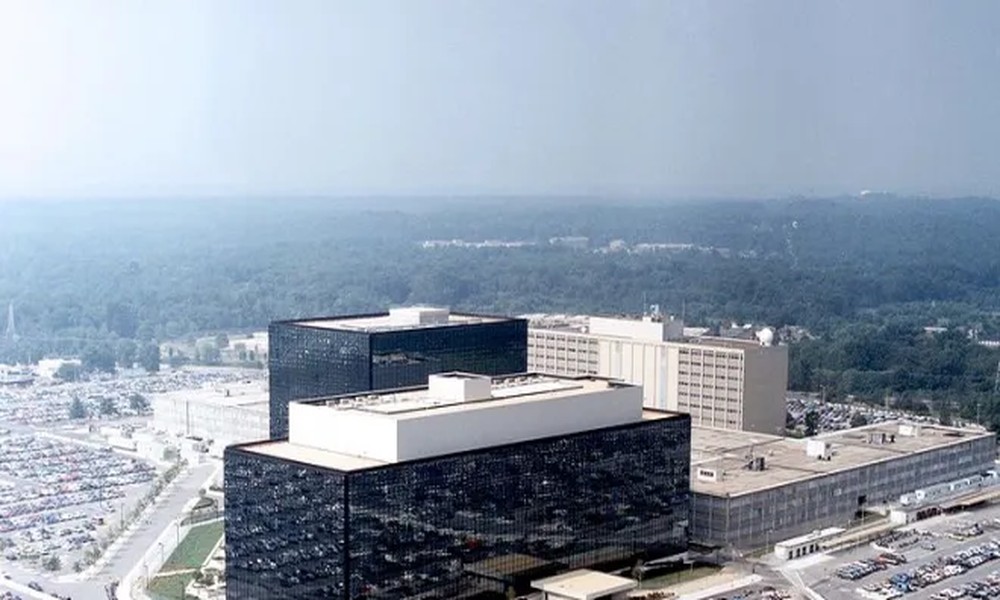
Maryland has one of the densest concentrations of federal civilian workers in the country. The state’s commuter highways are full of people heading to Fort Meade, Bethesda, Woodlawn, Pax River, Aberdeen, and Greenbelt every morning, and the agencies they work for differ in ways that affect almost every aspect of an employment dispute. A Maryland federal employee attorney spends a lot of the first conversation with a new client identifying which agency framework actually governs the case, because two workers with similar facts can face different deadlines, different forums, and different burdens of proof depending on whether they punch in at NIH or NSA.
Why Agency Identity Drives Strategy in the Federal Sector
The federal employment statutes at the broadest level look uniform across agencies. Title VII, the Rehabilitation Act, the Whistleblower Protection Act, the MSPB regulations, and 29 C.F.R. Part 1614 apply to most federal workers regardless of where they’re stationed. The way those statutes are administered, investigated, and adjudicated varies considerably.
Some agencies have well-staffed EEO offices that produce thorough Reports of Investigation. Others produce ROIs that read like the agency’s litigation position. Some agencies’ deciding officials carefully apply Douglas factors and routinely mitigate proposed penalties. Others treat the proposing official’s recommendation as a foregone conclusion. Some agencies settle EEO cases at the informal counseling stage. Others hold the line through hearing regardless of the merits.
None of this is in the regulations. Most of it isn’t in any published handbook. It comes from familiarity with the specific agency’s prior cases, settlement patterns, and administrative culture.
The Major Federal Employers Across Maryland
Fort Meade and the Intelligence Community
Fort Meade in Anne Arundel County is home to NSA, U.S. Cyber Command, the Defense Information Systems Agency, and a substantial Army and Navy presence. Intelligence community employees operate under a personnel framework that is materially different from standard Title 5 federal employment.
NSA employees, for instance, are excepted service workers under 50 U.S.C. § 3033 and 10 U.S.C. § 1601, with internal due process procedures that don’t all map onto MSPB jurisdiction. Security clearance issues at NSA travel through internal review with extremely limited external recourse under Department of the Navy v. Egan, 484 U.S. 518 (1988). EEO complaints at NSA, DIA, NGA, and other IC agencies follow procedures that incorporate classified-information handling protocols not encountered at other agencies.
NIH in Bethesda
The National Institutes of Health is a sprawling research agency with tens of thousands of employees across the Bethesda main campus and satellite sites. NIH employees include Title 5 administrative staff, Title 42 scientific appointments, and Commissioned Corps officers, each with different procedural protections.
Title 42 appointees under 42 U.S.C. § 209(f) and (g) are particularly distinctive. These are scientists hired under special authority that allows above-GS pay rates, but the appointment authority also affects how disciplinary procedures and adverse actions work. Discipline of Title 42 employees doesn’t always follow the standard Chapter 75 path, and counsel familiar with NIH’s framework can identify procedural windows that a general practitioner might miss.
FDA in Silver Spring and White Oak
The FDA’s White Oak campus consolidated most of the agency’s operations in Silver Spring. FDA employees include reviewers, inspectors, scientists, and regulatory staff. The agency has its own internal EEO office and a culture around scientific integrity disclosures that interacts with WPA and OSC processes in ways researchers should understand before disclosing.
NIST in Gaithersburg
The National Institute of Standards and Technology in Gaithersburg houses metrology and measurement-science staff, many under demonstration project personnel systems that depart from standard GS classification. The NIST Alternative Personnel Management System creates pay-band structures, performance management approaches, and career progression frameworks that differ from typical federal employment.
SSA Headquarters in Woodlawn
The Social Security Administration’s headquarters complex in Woodlawn employs thousands across operations, IT, policy, and the Office of Hearings Operations. Administrative law judges at SSA have heightened protections under 5 U.S.C. § 7521, requiring an MSPB hearing on the merits before any adverse action takes effect. SSA’s internal disciplinary patterns at headquarters versus regional and field offices differ noticeably.
CMS in Woodlawn
The Centers for Medicare and Medicaid Services shares the Woodlawn complex with SSA. CMS handles a large healthcare regulatory and program-administration workforce with its own EEO office and disciplinary culture. Internal investigations at CMS often involve contracting integrity and conflict-of-interest issues that don’t come up as often elsewhere.
NASA Goddard in Greenbelt
NASA Goddard Space Flight Center employs scientists, engineers, and mission operations personnel under Title 5 with NASA-specific overlays. NASA’s internal scientific integrity processes, conflict-of-interest restrictions, and security/CUI handling create procedural environments that sometimes intersect with EEO and whistleblower matters.
NAVAIR Pax River
Naval Air Station Patuxent River in St. Mary’s County hosts NAVAIR, the Naval Test Pilot School, and a large civilian DoD workforce. NAVAIR employees include Title 5 civilians, AcqDemo pay-band participants, and STRL (Science and Technology Reinvention Laboratory) personnel under 10 U.S.C. § 4061. Each personnel system carries different performance management, classification, and disciplinary procedures.
Aberdeen Proving Ground
Aberdeen Proving Ground in Harford County houses Army Research Laboratory, ATEC, and other DoD entities. ARL operates under STRL authority. The civilian workforce at Aberdeen includes engineers, scientists, and technical staff whose appointment authorities affect how Chapter 75, Chapter 43, and accommodation issues are handled.
NOAA in Silver Spring and USDA Beltsville
NOAA’s Silver Spring headquarters and the USDA Agricultural Research Service campus in Beltsville round out the major civilian science agencies. Both employ research scientists, technical staff, and administrative personnel under standard Title 5 with agency-specific overlays.
Other Significant Maryland Federal Workplaces
Joint Base Andrews, the Census Bureau in Suitland, the Internal Revenue Service operations in New Carrollton, the Bureau of the Public Debt in Parkersburg-affiliated offices, and a wide range of DoD installations across the state add depth to Maryland’s federal workforce.
How These Differences Translate to Case Strategy
A few practical implications:
The 45-day deadline for EEO contact and the 30-day deadline for MSPB appeals don’t bend regardless of agency. Those rules apply uniformly.
Discovery and investigation quality vary. EEO ROIs at some agencies provide a strong evidentiary foundation that supports the complainant. ROIs at others have to be supplemented through aggressive discovery at the EEOC AJ hearing stage.
Settlement authority and culture differ across agencies. Some Maryland federal agencies resolve cases at informal counseling. Others hold positions through hearing.
Personnel systems matter for the procedural posture. Title 5 versus Title 42 versus AcqDemo versus STRL versus excepted service IC frameworks each carry different rights and rules.
Counsel familiar with prior MSPB and OFO outcomes at the specific agency can calibrate strategy accordingly.
For background, eeoc.gov publishes Office of Federal Operations decisions searchable by agency, mspb.gov publishes Board decisions similarly searchable, and each agency’s Office of Inspector General publishes reports that often illuminate internal disciplinary patterns.
Talk to a Maryland Federal Employee Attorney Who Knows Your Agency
The federal employment framework is national, but the cases are agency-specific. A Maryland federal employee attorney who has handled matters across NSA and the IC, NIH and FDA, SSA and CMS at Woodlawn, NASA Goddard, NIST, NAVAIR Pax River, Aberdeen Proving Ground, and the other federal employers across the state can match strategy to the specific environment you’re up against. Whether you’re facing a proposed removal, an EEO denial, a clearance issue, a Title 42 appointment dispute, or whistleblower retaliation, contact counsel early enough that agency-specific dynamics can shape your defense from the start.