

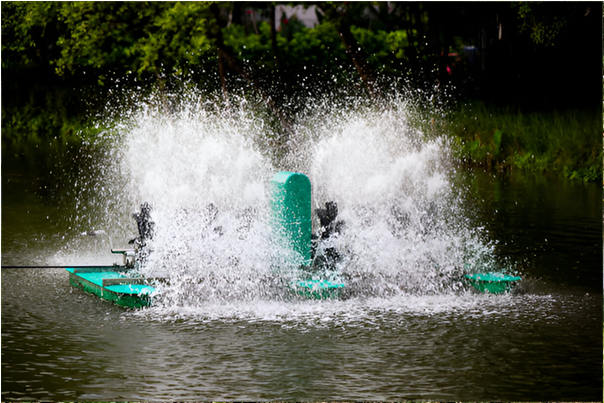
To keep your pond thriving, you will need not only clean water but also oxygen. The lack of aeration causes ponds to become stagnant, breeding algae blooms, foul smells, and stressed fish. This is overcome by having aerators, which move water around and increase the oxygen levels, establishing a healthy ecosystem.
According to many experts, such as That Pond Guy, a reliable air pump is needed to create a consistent aeration system, and hence you should use Oase Pond air pumps. Over years of practice, they emphasize the use of proper aeration, which avoids killing fish and keeps the water crystal clear throughout the year.
The Science Behind Pond Aeration
Plants, fish, and beneficial bacteria need oxygen.
The drop in levels leads to the accumulation of toxic gases such as ammonia, thus leading to toxic conditions.
- Dissolved oxygen (DO) – Daily, fish, and bacteria use oxygen, and plants synthesize it under sunlight. At night, oxygen levels can crash.
- Stratification – Deep ponds accumulate layers; a warmer water that concentrates oxygen on top, and a stagnant water remains at the bottom.
- Organic waste – Fish waste and decaying leaves deplete oxygen levels, making the water worse.
Aerators remedy them by blending water and supplementing oxygen where it is desired the most.
How Aerators Boost Oxygen Levels
Various aerators operate differently to maintain ponds in proper condition:
Surface Aerators (Fountains & Waterfalls)
- Stir and exchange oxygen with the air.
- Suitable only in small ponds and ornamental fountains.
- Less effective in deep water where stratification occurs.
Subsurface (Diffused) Aerators
- Force out bubbles at the bottom, forcing out oxygen-starved water to the top.
- Avoid stratification by circulating the full water column.
- Suitable for deep ponds and fish-intensive environments.
Bottom-Up Aeration Systems
- Hit the sludge layers, where aerobic bacteria decompose waste.
- Lessen the harmful gases such as hydrogen sulphide.
- Ideal in ponds with severe organic debris.
Benefits of Proper Aeration
Installing an aerator does more than just oxygenate—it transforms pond health:
- Clearer water – Less algae by reducing excess nutrients.
- Healthier fish – Avoids the gasping and diseases that are related to stress.
- Fewer odours – Prevents anaerobic bacteria from growing volatile gases.
- Balanced ecosystem – Breeds good bacteria to digest waste.
Choosing the Right Aerator
All ponds do not require equal aeration.
Consider these factors:
- Pond depth – Subsurface aerators work best in deep water.
- Fish load – The more fish, the more oxygen required.
- Maintenance – Diffusers require occasional cleaning, while fountains require regular cleaning of debris.
Maintenance Tips for Longevity
Even the most efficient aerator must be watched:
- Clean diffusers regularly – The bubbles can be clogged with minerals and algae.
- Check air filters – Clogged filters lower air movement and load the pump.
- Inspect tubing – Oxygen can be hindered by cracks or blockages.
Maintenance is the key to a healthy pond; a little upkeep can do a lot.
Final Thoughts
The hidden champions of pond keeping, aerators are busy clearing away the murk, keeping fish fit, and balancing the pond. You can use a fountain, a diffuser, or bottom-up aeration; whatever method you choose, a consistent aeration system will keep your pond alive.


