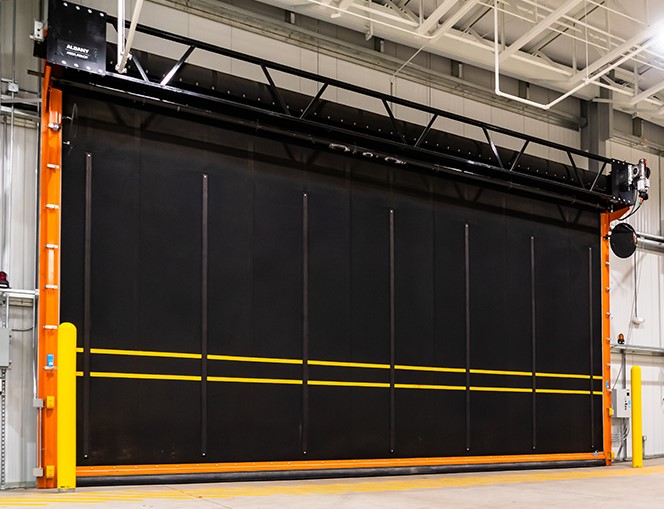
When a warehouse door jams at peak hours, chaos erupts. Forklifts line up, goods sit idle, and the entire workflow can grind to a halt. For facilities relying on rubber roll-up doors, especially in high-traffic or high-pressure environments, these moments are more than just annoying, they are costly. Yet, behind the scenes, a subtle maintenance hack is quietly transforming uptime and reliability for some of the busiest operations in the world.
Early Challenges in Maintaining Rubber Roll-Up Doors
Years ago, keeping rubber roll-up doors in top shape felt like a losing battle. Constant cycles of opening and closing, heavy impacts from equipment, and relentless environmental exposure made downtime almost inevitable.
Common Issues Under Pressure and High Traffic
Tears in the rubber curtain, jammed rollers, and worn-out seals were everyday headaches for maintenance teams. In distribution centers or manufacturing plants with hundreds of door cycles each day, the strain was immense. Often, the first sign of trouble was a door refusing to budge right when it mattered most.
Impact of Environmental Factors on Door Performance
Humidity, dust, extreme temperatures, and even the odd forklift bump all contributed to wear and tear. In cold storage or food processing, where maintaining a controlled environment is non-negotiable, minor door failures could become major liabilities.
Innovations in Rubber Roll-Up Door Design
As the stakes rose, industry leaders began reengineering the very concept of the rubber roll-up door.
Introduction of High-Speed Operation Technologies
Newer models, like those featured in major industrial catalogs, now feature rapid cycling mechanisms that let door panels zip open or closed in seconds. This speed not only reduces wait times but also minimizes the window for energy loss.
Enhancing Durability with New Materials
Gone are the days when a rubber curtain was just thick plastic. Today’s industrial doors use advanced polymers designed for elasticity and impact resistance, absorbing knocks without permanent deformation.
Integration of Energy Efficiency Features
Insulated and self-sealing edges, combined with programmable open/close cycles, help maintain internal temperatures and reduce energy bills, a particularly important feature for cold storage and food processing plants.
The Emergence of the Little-Known Maintenance Trick
In the relentless quest for zero downtime, a surprisingly simple solution emerged.
Discovery and Initial Application
According to maintenance managers in the field, the “miracle” trick involves a precise cleaning-and-lubrication protocol for the bottom bar and side frames. Originally used by a select few in automotive manufacturing, word spread as downtime statistics improved overnight.
How It Addresses Pressure-Related Wear and Tear
Most failures under pressure begin with debris buildup or minor friction at critical contact points. The trick targets these trouble spots with a specialized rubber-safe lubricant and microfiber cleaning process. By preventing microtears and resistance, the door glides smoothly regardless of the operational load.
Case Studies from Industrial Settings
One large logistics company reported that after implementing this trick, unplanned door stoppages dropped by more than 80 percent within six months. In cold storage, the same protocol helped reduce air leakage issues and prevented frost buildup on door tracks.
Step-by-Step Guide to Implementing the Trick
For those eager to try this tactic, here is how to do it right.
Tools and Materials Needed
– Microfiber cloths (lint-free)
– Soft-bristle brush
– Rubber-safe cleaning spray
– Silicone-based, rubber-compatible lubricant
Detailed Maintenance Process
1. Power down the door to prevent accidental operation.
2. Use the brush to clear debris from the bottom bar and side tracks.
3. Wipe surfaces thoroughly with a microfiber cloth and cleaning spray.
4. Apply a very light coat of lubricant to the bottom bar and track edges, avoid overapplication to prevent slippage.
5. Restore power and open/close the door several times to distribute the lubricant evenly.
Frequency and Timing for Optimal Results
Monthly maintenance is ideal in moderate-use settings. For doors cycling hundreds of times daily, bi-weekly checks yield the best results.
Benefits Realized Over Time
This routine pays off in ways that go far beyond simple door movement.
Improved Door Longevity and Reliability
Consistent maintenance extends door lifespan, slashes emergency repairs, and keeps operations on track even during peak pressure.
Enhanced Workflow Efficiency in Warehouses
With fewer interruptions, warehouses report smoother traffic flow, faster order fulfillment, and less frustration among staff.
Cost Savings on Repairs and Energy
Preventive care not only lowers the risk of major repairs but also preserves the tight seal that controls energy loss, putting real money back into the bottom line.
Future Trends in Rubber Roll-Up Door Technology
What comes next for this workhorse of modern industry?
Smart Sensors and Automated Maintenance Alerts
Some advanced doors now feature built-in sensors that monitor cycle counts, detect friction, and prompt timely maintenance alerts, helping avoid issues before they escalate.
Advancements in Material Science for Even Greater Resilience
Research continues into nanocoatings and hybrid rubbers that resist environmental stress, promising even longer intervals between repairs.
The Role of Sustainability in Door Design Evolution
Manufacturers are integrating recycled materials and designing for easier end-of-life recycling, responding to the need for greener operations.
How Door Doctor and Industry Leaders Are Adapting
Industry leaders recognize that innovation in doors is as much about ongoing support as it is about advanced engineering. Solutions like Door Doctor rubber roll-up doors stand out for their commitment to efficiency, durability, and continuous improvement. Service models increasingly include proactive maintenance scheduling and remote support, ensuring clients experience the full benefit of modern door technology.
For warehouses and industrial operators, the message is clear: a little extra care, paired with the latest doors and support, keeps the wheels of commerce spinning even when the pressure is on.